Vendor:
Founded:
Headquarters:
cfactor Works
1999
Saskatoon, SK, Canada
Customers:
Deployment Model:
Free Trial:
Unknown
Cloud
No
Vibe HCM At A Glance
Product Overview
Vibe HCM is an integrated HR suite that combines different functions, such as onboarding, HRMS, talent management, and social collaboration. As it is offered only as a SaaS, companies will benefit from not having to purchase additional hardware or burden their IT departments with maintaining the software. Vibe HCM is also personalized toward a specific company’s needs.
Below is Vibe HCM’s core products (we’ve discussed them in more detail in our Features section):
- Onboarding
- HRMS
- Talent
- Social
- Insight
- HR Service
Vibe HCM is accessible from any device with an Internet connection, including mobile devices. There is also a Vibe HCM app for iOS and Android so employees and managers can access its features from their smartphones (such as pay stubs, communities, etc).
Features
Here are the main features of each Vibe HCM module:
Onboarding:
- Talent acquisition tools
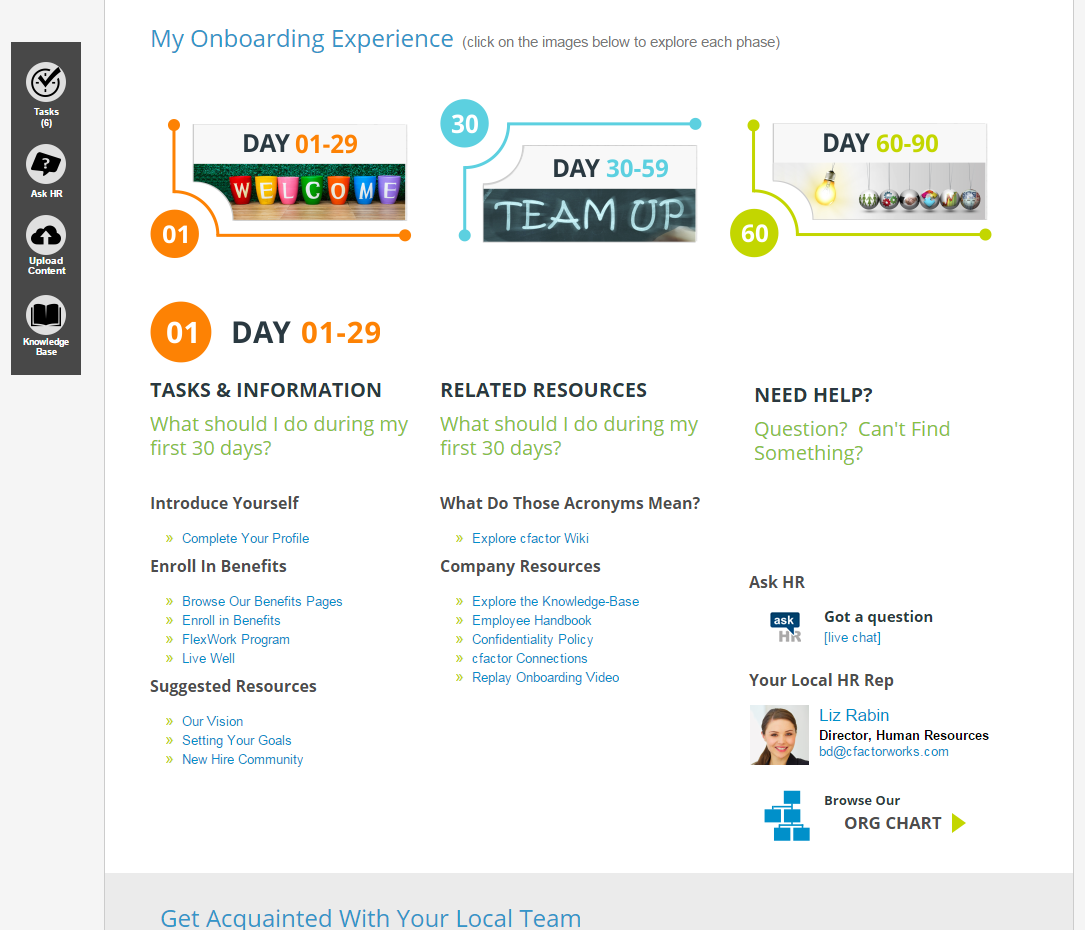
- Personalized pre-boarding that allows new employees to fill out paperwork prior to their first day
- Virtual first-day orientation
- Onboarding during employee’s first year with the company (i.e. training, new hire metrics, etc)
HRMS:
- Both employee and manager self-service functionality; for example, employees can request time off and their managers can approve the request.
- Payroll (processing, tax filing, and reporting.)
- Benefits (in addition to administrating benefits and automating enrollments and life changes, this functionality provides a way for executives to communicate wellness information to employees.)
- Organization management (allows managers and executives to manage workflow across all divisions/departments/business units.)
Talent:
- Talent profiles (personal, comprehensive profiles of each employee in the company that can link to their LinkedIn profiles.)
- Performance (i.e. performance reviews, get information on work information and peer endorsements, provide coaching notes.)
- Compensation (compensation process and pay adjustment is automated; users can also work with planning worksheets and send compensation letters.)
- Assessment & Succession (this feature helps executives find hidden talent within the company when needing to fill a soon-to-be-vacant role; it also includes 9-box assessments and talent cards.)
- Learning & Development (includes individual career development and online training.)
- Employee Engagement Reporting (an engagement survey functionality that allows executives to send surveys to employees and monitor results and create action plans based on the results.)
Social Intranet:
- Content management (content can be uploaded and accessed in a variety of media and files – documents, images, etc – and available in rich text, HTML, or Native file formats.)
- Social media component where employees can access blogs, wikis, files, and photos, and provide comments to statuses, much like a social networking site.
- Employees can create their own personal profiles and connect with colleagues.
- Categorize work communities that are role or department-based so employees can stay on top of information that impacts their jobs.
- Real-time consult that employees can contact HR, their managers, or colleagues in a chat room or via instant messaging.
- Communication analytics via dashboards that executives use to get information on how managers and employee communicate.
Insights:
- Users can create and access real-time metrics and dashboards on HR functions, such as onboarding, development, performance, etc.
- Intuitive talent visualization (i.e. charts, cards, hierarchy management)
- Talent mining
- Workforce Explorers, Trending, and Compliance reports
HR Service Delivery:
- Knowledge base
- Ask HR, a real-time messaging system
- Role-based self-service hubs that helps employees get tools and information for their jobs.
- Case management integrations (employee questions are routed to a HR team member automatically, however, a case is created if an answer is not forthcoming.)
- Attendance Management?
- Benefits Administration?
- Employee Self-Service?
- Learning Management System?
- Mobile Access?
- Payroll Management?
- Performance Appraisal?
- Recruiting Management?
Target Market
cfactor has targeted many different industries, including education, retail, and healthcare. We’ve listed several of its customers below:
- Aflac
- AMEC
- AutoNation
- California Pizza Kitchen
- DeVry Education Group
- FMC Technologies
- JCPenney
- Johnson Electric
- Milliman
- Starbucks
Free Report: 5 Essential Steps for Choosing the Right HR Software
Choosing an HR Software solution is all about finding the right fit. Our report will walk you through the process and help you make a smart purchasing decision. Download Now
Implementation/Integration
Cfactor’s implementation process for Vibe HCM is done in 5 steps: Plan, Configure, Verify, Deploy, and Optimize. Vibe HCM can be integrated with many different existing systems, such as payroll, applicant tracking systems, and CRM to name a few.
Customer Service & Support
Customers are assigned a dedicated Client Success Manager to help them through the implementation process and beyond. They can also contact support via email and phone.
Shortcomings
There is no on-premised option. Also, Vibe HCM may not be ideal for smaller companies.
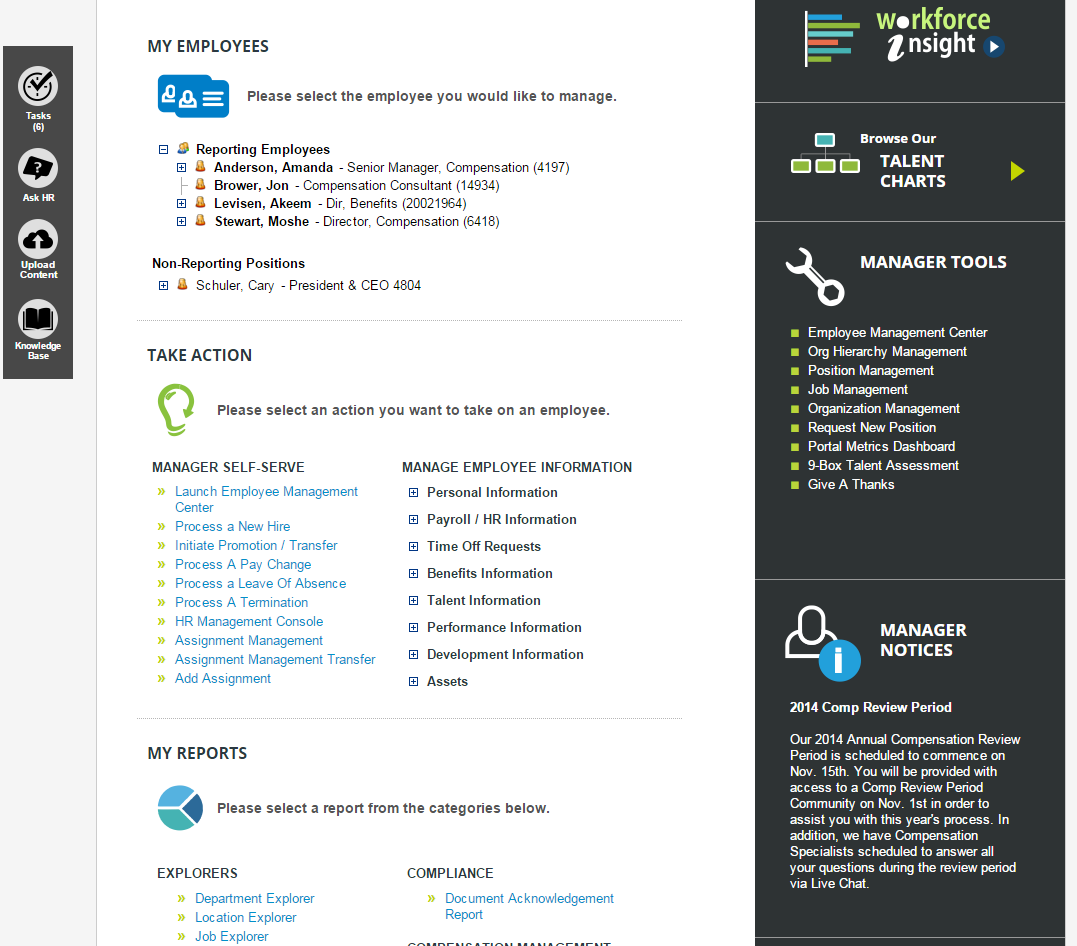
Screenshots
About
Cfactor has a simple mission: that HR should be more than just “transactions and record-keeeping.” They believe HR is about “connecting people,” as well as employee engagement, talent management, and social collaboration. Vibe HCM is an integrated suite encompassing the core HR functions, such as HRIS, talent management, onboarding, and more.
Download Vendor Comparison Guide